Education systems around the world are navigating a period of profound change. Student achievement gaps are widening, workforce demands are evolving rapidly, and AI is reshaping how people learn and work.
In response to these challenges, the ETS Research Institute recently launched the Center for Policy Research, a new initiative dedicated to turning rigorous research into practical guidance for policymakers, funders and education leaders.
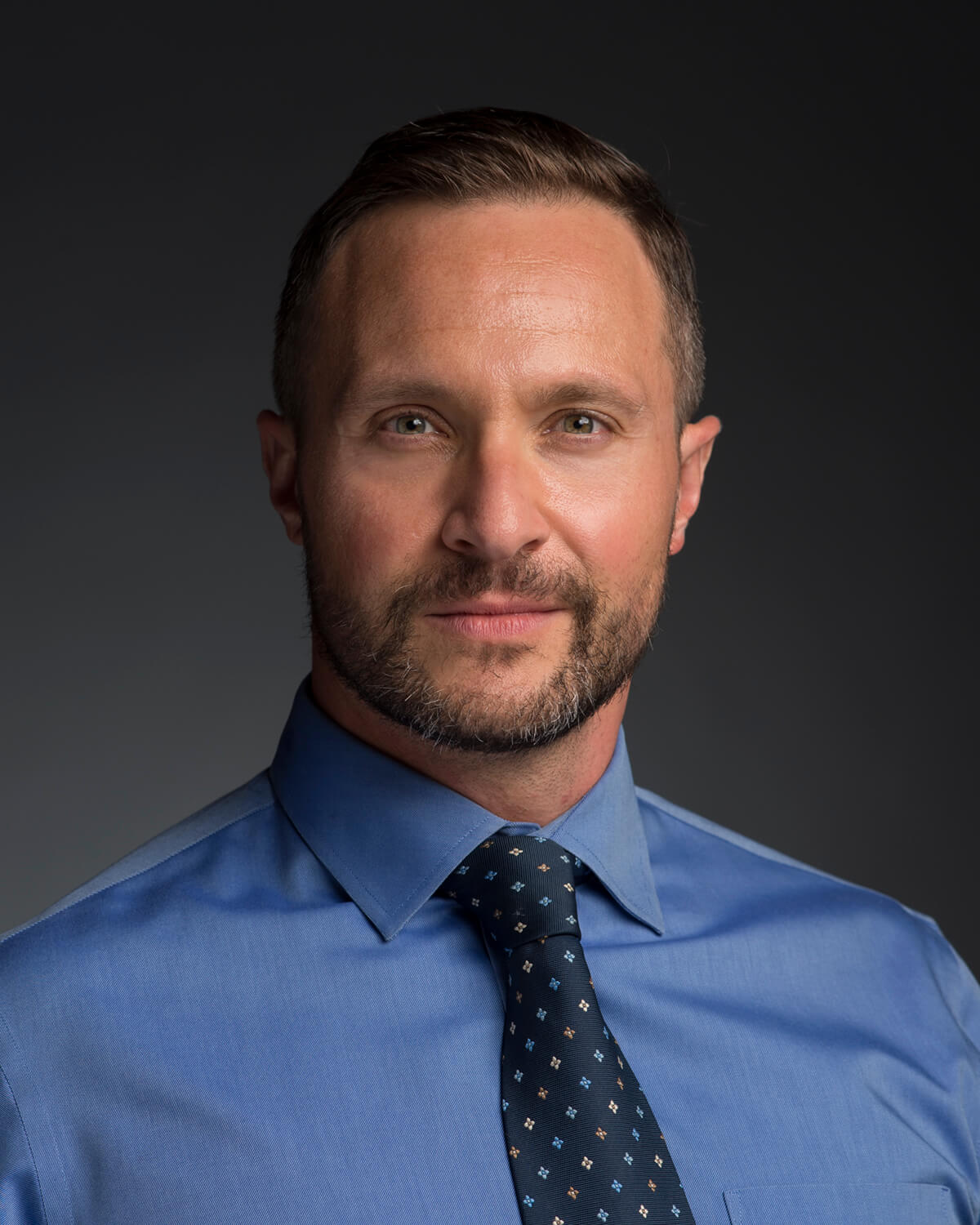
The Center is led by Robert Bozick, who joins ETS as Senior Research Director. A social scientist with more than 25 years of experience in public policy research, Robert’s work spans education, workforce development and economic opportunity. In his Q&A, Robert shares what motivates his work, why the Center is needed now, and how he hopes the Center will make a difference in the years ahead.
How has your career path and experience led you to becoming director of the ETS Center for Policy Research?
Bozick: I grew up in a blue-collar community in Northeast Ohio ravaged by de-industrialization. Witnessing my father and his friends lose their jobs after the steel industry collapsed left an indelible mark on me. They lacked the skills and opportunities to rebuild their careers. The whole community felt the pain.
This experience inspired me to pursue a career in policy research focused on identifying programs and policies that can help create economic opportunity for disadvantaged populations. I have been working on this mission for the past 25 years at various think tanks and universities, and I am looking forward to bringing that experience to my new role at ETS.
Why is now a timely moment for launching a dedicated ETS Center for Policy Research?
Bozick: Right now, the U.S. education system is facing complex challenges for which it is ill-equipped. Even before COVID-19, there had been notable declines in test scores. The pandemic accelerated these declines.
On the work front, boomers continue to retire, setting the stage for massive labor shortages. Not only will we have fewer workers to power the economy, but if test score trends continue their current trajectory, we might also have less proficient workers. Factor in the rapid ways that AI is changing how we teach, learn and work — and you can see the looming crisis on the horizon.
We know that policymakers face tough choices in navigating these challenges, and so we wanted to build a Center that could give them the best available evidence to guide their decisions.
Why is an interdisciplinary approach across researchers, policymakers and practitioners needed?
Bozick: This is simple: effective public policy is a team sport. The more perspectives, methods and ideas we can assemble, the better we can gain a 360-degree view of the problems the policy is intended to solve.
Moreover, having diverse minds at the table helps us see our individual limitations and course correct as needed. When we approach problems together, we think less in terms of disciplinary distinctions and focus more on the shared goal of finding solutions that work. All of this is essential for producing sound research.
What makes the ETS Center for Policy Research different from a typical think tank or research shop?
Bozick: We will be different in two key ways:
First, we will take a prospective approach whenever possible. Most research organizations retrospectively evaluate programs and policies that have already been decided upon and, often, already implemented. We will do some of that, too. However, our primary focus will be working with leaders before they enact a policy or program, giving them the data and evidence they need to choose the best path forward.
Second, we will apply ETS’s unparalleled expertise in measurement and assessment to solving policy challenges. Despite the value of assessment data in understanding the contours of learning, it is underutilized when crafting policy. Test score averages are often used to frame problems in schools, but assessment data can reveal much more about what policies work, for whom they work and what students actually know.
This is critical information when developing solutions that prepare today’s students for the workforce of tomorrow. To that end, our Center will be a leader in applying state-of-the-art methods to assessment data.
Who do you consider your primary audience — policymakers, funders, district leaders, educators, all of the above? How will that shape the Center’s work?
Bozick: Our primary audience is anyone who needs to make a policy or programmatic decision that affects education and workforce systems at scale.
In some cases, this might be a chief state school officer or district superintendent. In other cases, it might be a philanthropic foundation or a workforce development board. If someone is making a critical education policy decision and needs the data to do it, we want to help.
To affect systems-level change in support of ETS’s commitment: readying 100M+ people for the next generation of jobs by 2035, we are keeping a laser focus on decision-makers as the central consumers of our research. We are a small team, but we want to have an outsized impact.
What would you consider a meaningful win for the Center in its first year? And in five years?
Bozick: In operational terms, the first year is all about building relationships with policymakers and testing our approach in different states so that by our fifth year, we are actively supporting efforts across several states.
Beyond that, however, the real meaningful win will be the doors we open to opportunity for all learners.
The Center for Policy Research brings together rigorous research, advanced measurement expertise and cross-sector collaboration, turning evidence to into education policy that works for all.
To learn more about the Center’s mission, research priorities and opportunities for collaboration, visit the ETS Center for Policy Research.